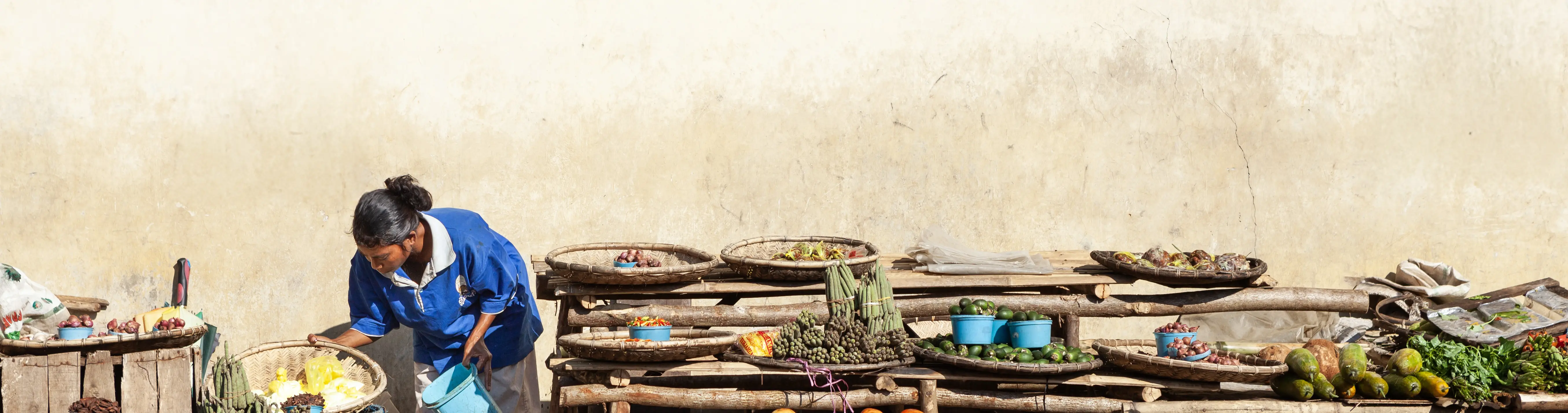
Market
The Cultural Heartbeat and Rhythm of Nusantara Life
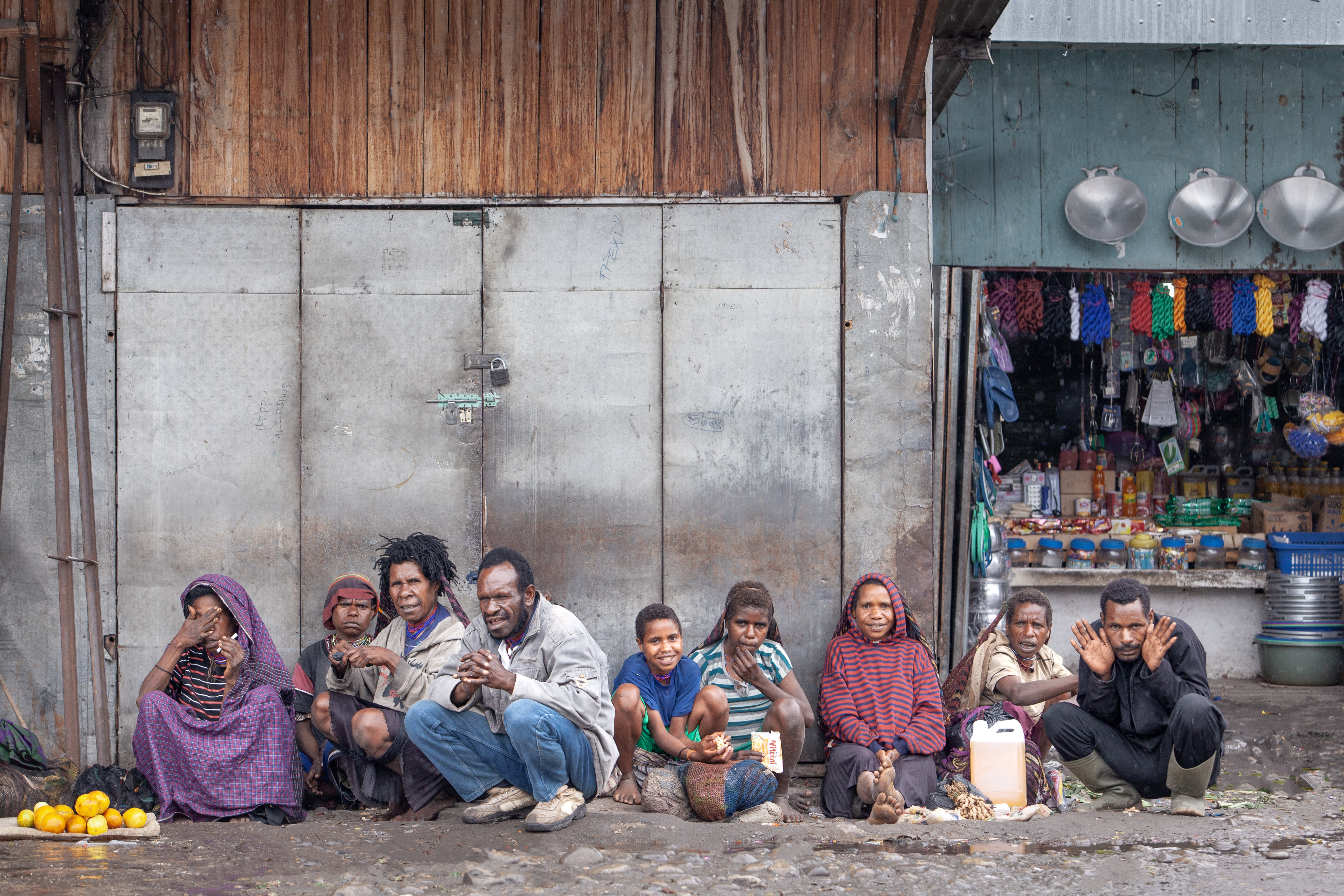
In Indonesia, traditional markets transcend their role as mere places of commerce. They are the heartbeat of local culture living spaces where social structures breathe, cultural identities are exchanged, and communities continue to flourish. More than venues for buying and selling, markets are ecosystems that weave together history, economy, and human connection into a single, vibrant tapestry. Women play a central role within this ecosystem. They are not only traders but also guardians of the market’s rhythm, appearing in attire that reflects the identity of their region, engaging in lively negotiations, and nurturing networks of friendship and solidarity. Here, the market becomes a stage for everyday life, where culture, commerce, and companionship merge organically. Amid colorful stalls and bustling pathways, two distinct forms of markets coexist and complement one another.
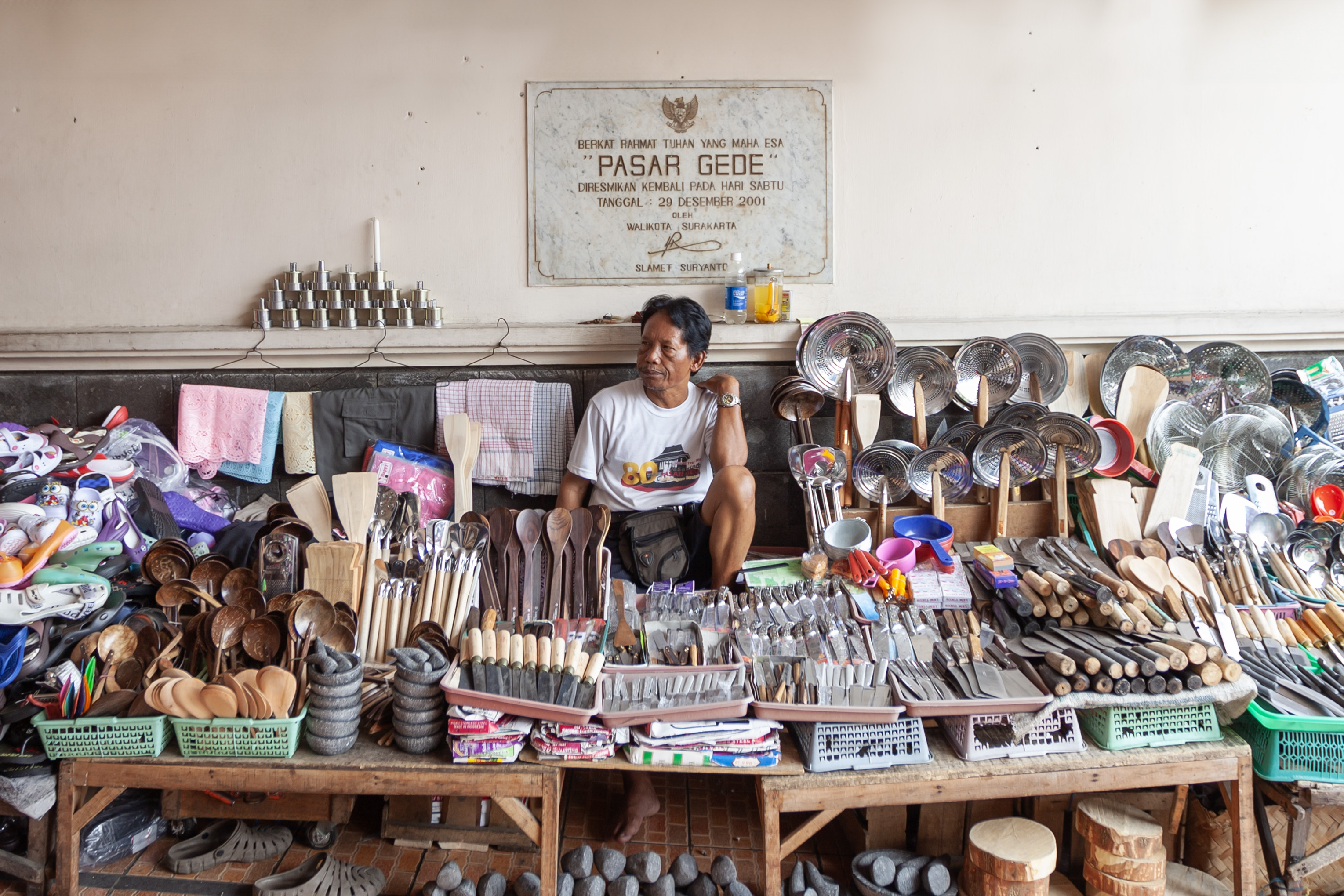
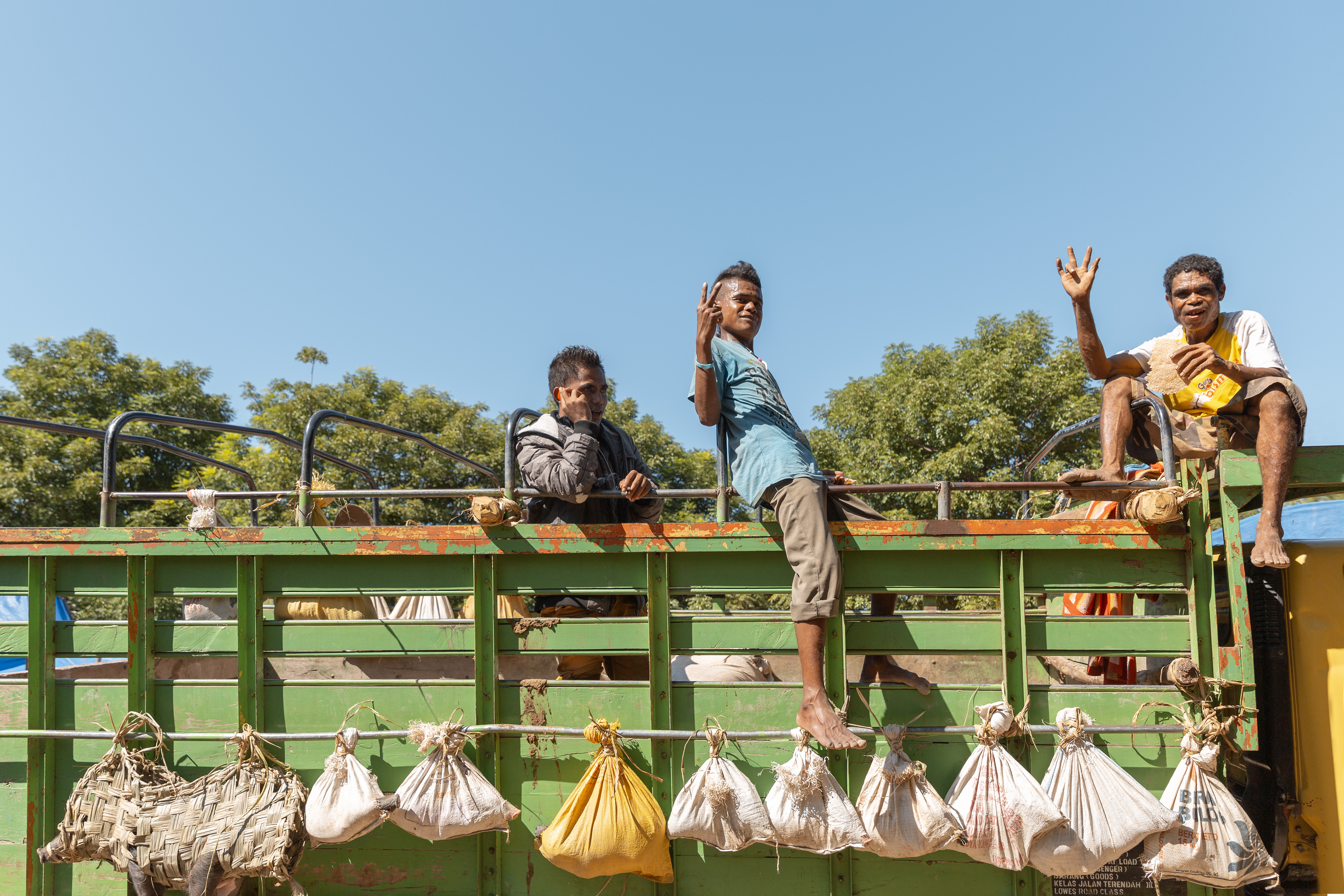
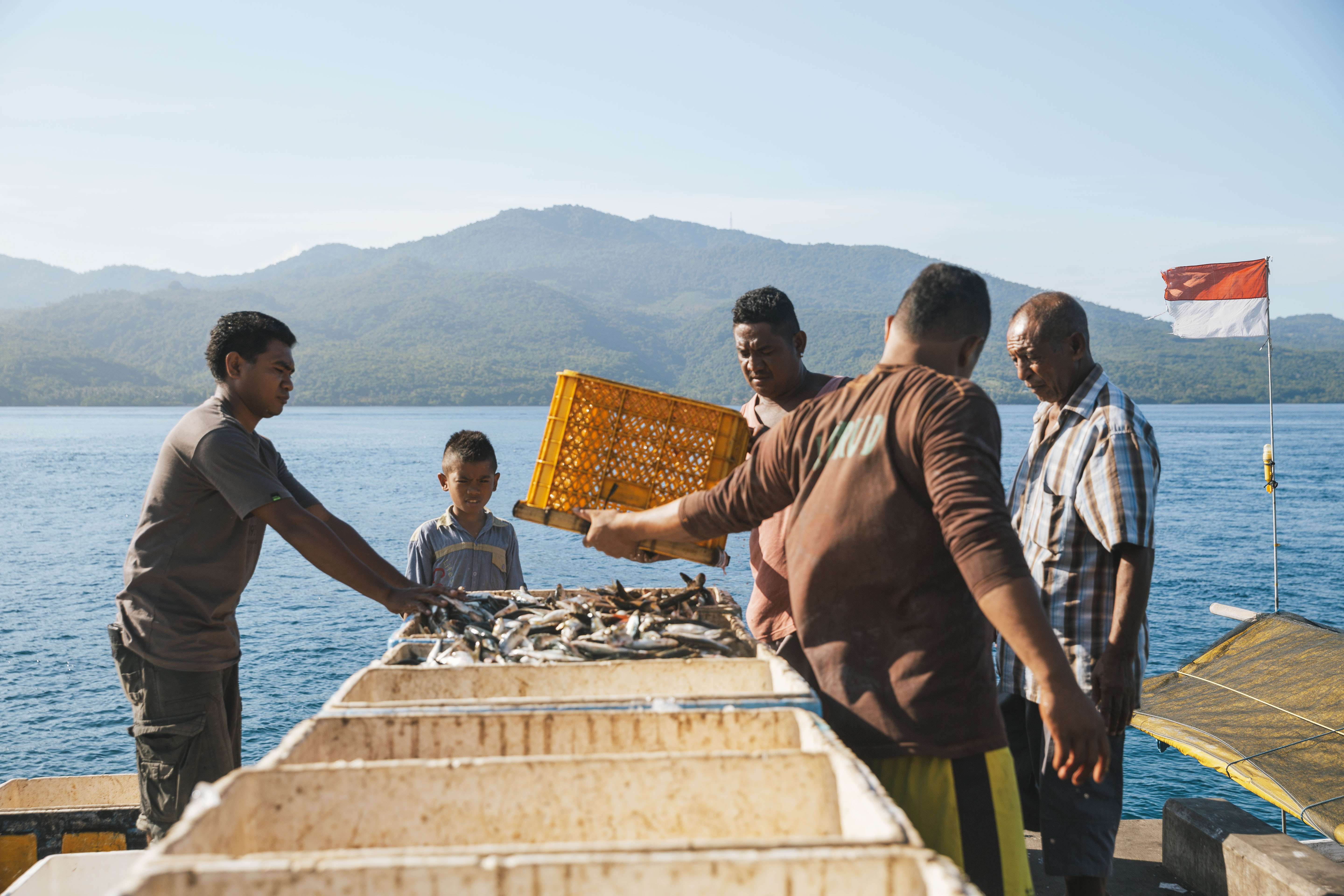
Permanent Markets pulse at the heart of towns and cities, operating daily and offering a rich variety of goods from freshly harvested produce to handcrafted objects imbued with cultural meaning. Every visit is a sensory journey: the fragrance of spices lingering in the air, the cadence of conversations spoken in local dialects, and a kaleidoscope of colors that seems almost to sing. In contrast, across many parts of Eastern Indonesia, Temporary Markets emerge like a weekly miracle. Appearing only once a week, they follow the rhythms of nature and local traditions. Time moves more slowly here, yet its significance runs deeper. These weekly gatherings serve as living archives of Nusantara heritage: naturally dyed handwoven textiles, terracotta pottery shaped by skilled hands, intricately woven pandan and lontar leaf containers, carved bamboo tobacco holders, seasonal fruits, freshly caught fish shimmering in the sunlight, and regional delicacies available only at particular times of the year. More than economic spaces, these markets reflect the rhythm of the land and the cycles of nature. They offer an authentic window into local ways of life, where traditions are not preserved behind museum glass but are continuously practiced, celebrated, and passed from one generation to the next.